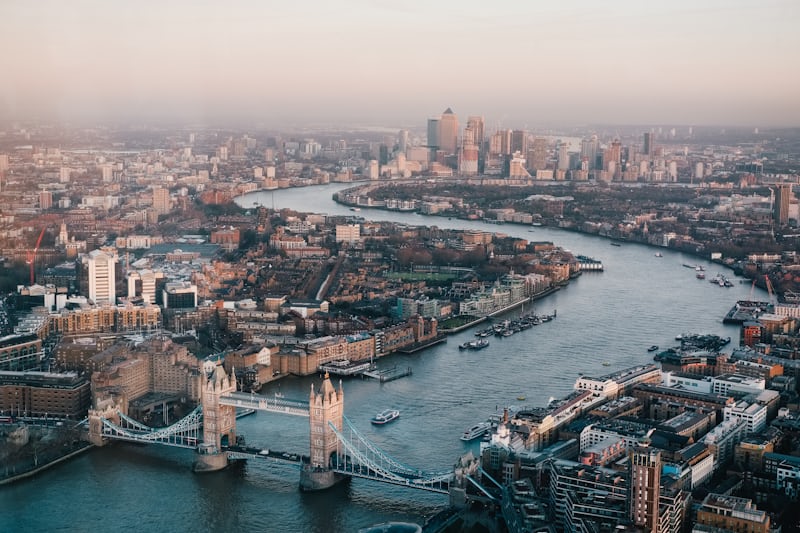
The cost of reaching a UK airport has been climbing, and not in the way people assume. It isn't one big price hike — it's four separate forces, all pushing the same direction, and at least one of them raises what you pay without raising any published price at all.
Key takeaways
- Drop-off charges — nearly every UK airport now charges cars to reach the terminal.
- “Simplification” — removing a discount raises fares without a headline rise.
- Tolls and crossing charges keep being added to routes.
- Surge pricing concentrates cost at exactly the worst moments.
- Only a fixed all-in fare insulates you from all four.
01 / DROPOFFDrop-off charges: the fee that didn't exist
Within a few years, the airport drop-off charge has gone from a novelty to near-universal across UK airports. Pull onto the forecourt to set someone down, and you pay — enforced by camera, with penalty notices for anyone who doesn't realise and doesn't pay online afterwards.
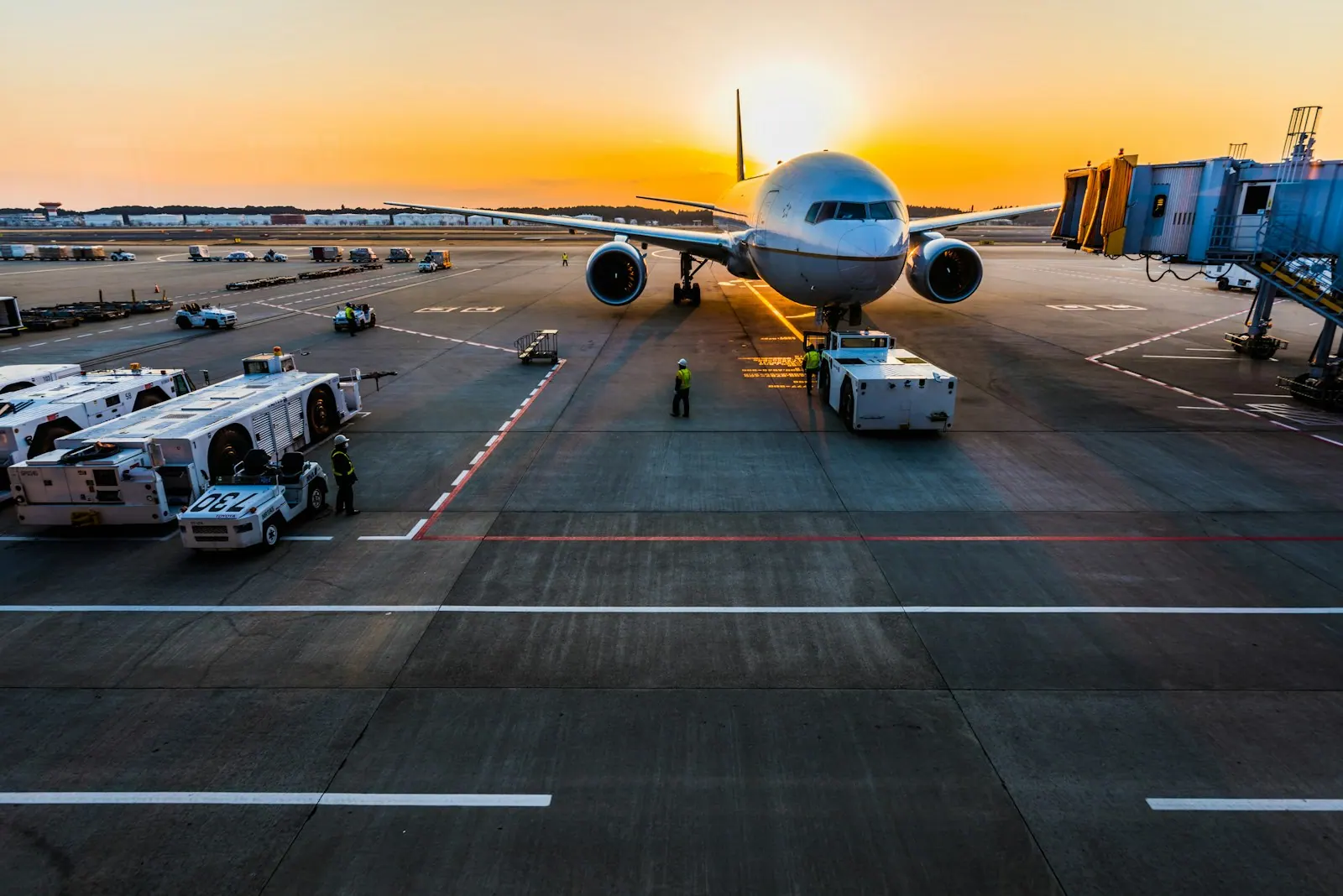
It's a genuine new cost on a journey that used to be free, and it's frequently not included in the quote you get from a cheap operator — which is how people end up with a penalty notice weeks after a holiday.
02 / SIMPLIFY“Simplification”: the rise with no headline
This is the clever one. On 1 March 2026, TfL removed the off-peak fare between Heathrow and central London on the Elizabeth line, replacing it with a single flat fare of £15.50.
Presented as simplification. But for every passenger travelling off-peak, the fare went from £13.90 to £15.50 — a rise of roughly 11.5%. No fare was “increased.” A discount was deleted. The effect on your wallet is identical, and it attracts a fraction of the attention.
Watch for this pattern. Removing a discount, narrowing an eligibility window, or shortening an advance-purchase period all raise the average price paid without a single headline number going up. It is the most common way transport costs rise quietly.
03 / TOLLSTolls and crossing charges
Road journeys keep acquiring new charges. The Dartford Crossing, the Silvertown and Blackwall tunnels, and various clean-air and congestion schemes all add cost to airport routes — and, like drop-off fees, they're often billed separately by operators who quote a low headline fare and add the rest later.
04 / SURGESurge: cost concentrated at the worst moment
The fourth force doesn't raise the average so much as redistribute it. Dynamic pricing makes the fare highest exactly when demand is highest — the delayed flight, the strike day, the storm, the 1am arrival. Your average app fare might look reasonable across a year. The one you pay on the worst night of your year is the one you'll remember.
05 / INSULATEHow to insulate yourself
You can't stop airports charging for drop-off or TfL restructuring fares. What you can do is buy the price in advance and make it someone else's problem.
A fixed all-in fare neutralises all four forces at once: the drop-off charge is included, tolls are included, there is no surge, and no fare restructuring can reach a price that was already agreed. Whatever the market does between your booking and your flight, your number doesn't move.
That's not a claim to be cheapest — we've been clear elsewhere that the Tube beats us on price. It's a claim to be knowable, which in a rising market is worth something on its own.
FAQFrequently asked questions
Why is airport transport getting more expensive?
Four forces: near-universal drop-off charges at UK airports, fare 'simplifications' that delete discounts, new tolls and crossing charges on road routes, and surge pricing that concentrates cost at the worst moments.
What is the airport drop-off charge?
A fee, now charged by nearly every UK airport, for pulling onto the terminal forecourt to set someone down. It's camera-enforced, and unpaid charges become penalty notices — a common nasty surprise weeks after a trip.
Did Elizabeth line fares to Heathrow go up?
Effectively yes, for off-peak travellers. On 1 March 2026 TfL removed the off-peak fare, replacing it with a flat £15.50 at all times. Off-peak passengers went from £13.90 to £15.50 — about an 11.5% rise, achieved by deleting a discount rather than raising a price.
How can I avoid rising airport transport costs?
Fix the price in advance. A fixed all-in fare includes the drop-off charge and tolls, doesn't surge, and can't be reached by later fare restructuring — because it was already agreed.
Are tolls included in a taxi fare?
With a fixed all-in fare they should be — ours are. Always ask, because a low headline quote that bills tolls, waiting and airport charges separately can end up dearer than a higher all-in price.
Is a fixed fare always the cheapest?
No — the Tube is cheaper for a solo traveller and we say so plainly. A fixed fare is the most predictable, not necessarily the lowest. In a rising market, predictability has its own value.
Time Matters
Fix your price before it rises
Fixed fares confirmed before you ride. Local licensed drivers, flight tracking, 24/7 human support — and no surge, ever.