Oxford Street Pedestrianisation
A Rushxo driver's-eye view of the Orchard Street to Great Portland Street closure: who it helps, who it leaves at the kerb, and how to plan a fixed-fare trip to the West End this Christmas.
What is actually changing on Oxford Street
From the second half of October 2026 the busiest stretch of Oxford Street, the 0.9 km between Orchard Street by Selfridges and Great Portland Street just past Oxford Circus, closes to traffic. Not just to private cars: buses, black cabs, private hire, cycles, e-scooters and pedicabs are all excluded during a live-testing phase that runs into 2027, with only emergency vehicles allowed at any hour and deliveries between midnight and 7am. The Mayor’s new Oxford Street Development Corporation took planning powers from Westminster and Camden on 10 August, contractors moved in on 2 September, and the aim is a traffic-free street in time for the Christmas lights.
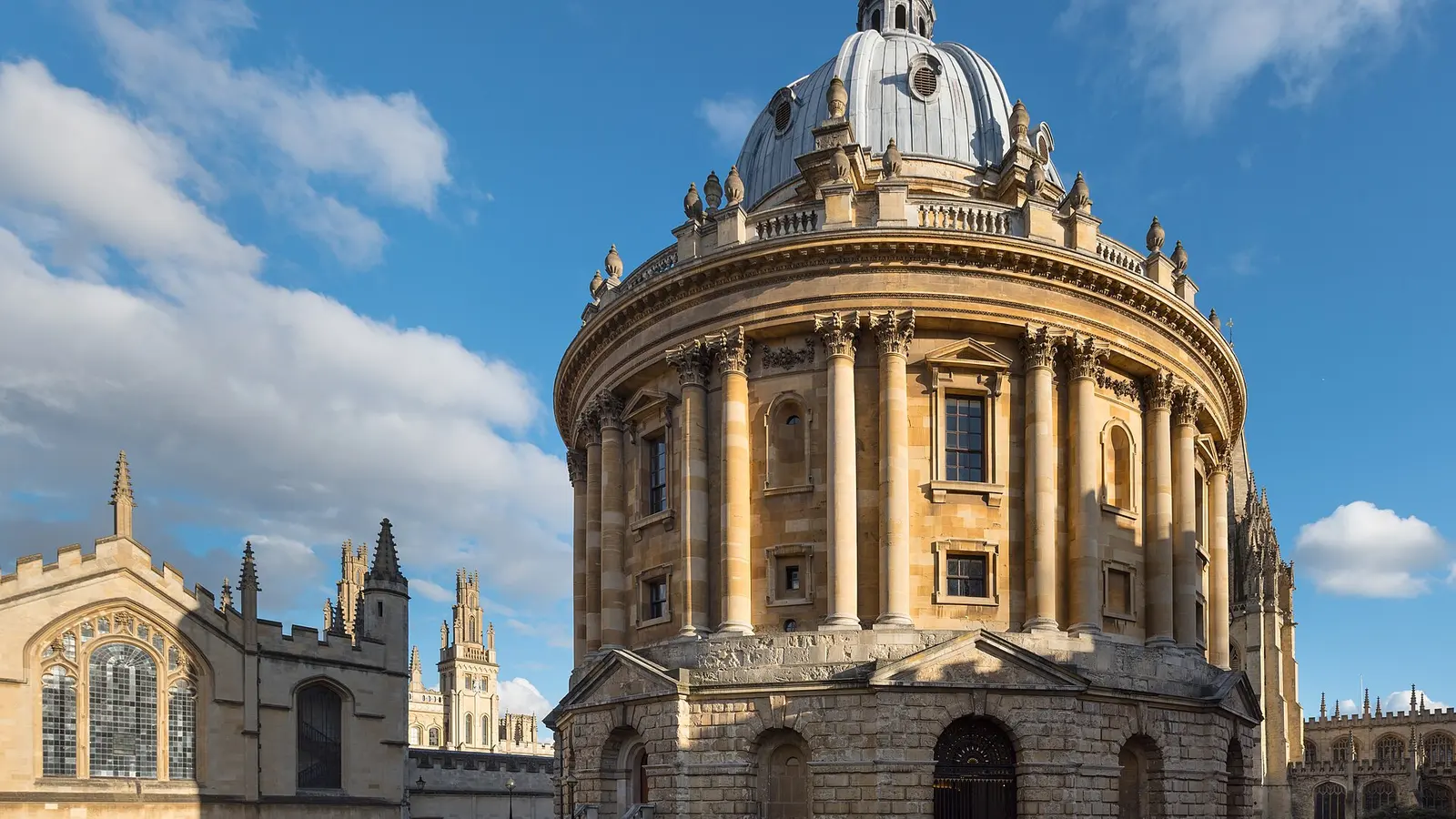
Rushxo has driven people to Oxford Street from Kent, Essex and the airports for years, so we have a practical stake in three questions everyone is asking. Is a car-free Oxford Street actually friendlier for disabled Londoners, or just for the able-bodied? Will it rescue shops that are struggling under costs nobody voted for? And where do driverless taxis, which started carrying paying passengers in London on 3 September, fit into a street that has just banned every kind of taxi? Below is our honest reading of the evidence, followed by what it means for Christmas shopping this year.
How disabled-friendly is London's most famous street?
Start with the honest baseline. Oxford Street is about two kilometres long and four Tube stations serve it, yet most of them cannot get a wheelchair user to the pavement. Oxford Circus has no step-free route to street level and Marble Arch is inaccessible altogether; only the Elizabeth line entrances at Bond Street and Tottenham Court Road offer step-free access. The disability charity Wheels for Wellbeing points out in its consultation response that the nearest fully accessible mainline stations, Euston and Paddington, sit roughly 2 km and 2.5 km away, further than the distances the Blue Badge scheme itself treats as a reasonable walk.
That is why the taxi ban is the sharp end of this scheme for disabled visitors. Until now a wheelchair-accessible black cab could pull up at the door of John Lewis or Selfridges. From October the nearest a car of any kind can legally get is the edge of the zone or one of the cross-streets that stay open: Duke Street, Davies Street, Stratford Place, Vere Street, New Bond Street, Holles Street and Harewood Place. TfL says taxi ranks and drop-off points will be placed as close to the boundary as possible and that Blue Badge bays will be kept at current levels. Wheels for Wellbeing supports removing vehicles, but only if accessible parking and drop-off is substantially increased nearby, and it wants a four-metre mobility track along the street, Changing Places toilets and free on-street electric shuttles so that people who cannot walk two kilometres are not simply designed out.
Our view from the driving seat: removing buses and cabs makes the pavement safer and quieter, which genuinely helps people with visual impairments, autism or anxiety, but it moves the hard part of the journey, the last 200 to 400 metres, onto the passenger. For anyone who books with us, that is a planning job we take on. We tell you which side street the car will use, we send a wheelchair-accessible vehicle or a low-step people carrier when you ask, and the driver waits rather than circling. London is slowly becoming friendlier for disabled people; Oxford Street will be friendlier once you are on it, and harder to reach. Both things are true.
Will pedestrianisation help shops that are already struggling?
Oxford Street’s problems predate the roadworks. Analysis published by Raconteur counted 42 of 269 units empty, a 16% vacancy rate against 13% for London high streets generally, with monthly footfall averaging 1.24 million and still 59% below the pre-pandemic baseline. The departures of Topshop, HMV, Gap and Sports Direct left room for the American candy and souvenir shops that became a symbol of the street’s slide, and the end of VAT-free shopping for overseas visitors in October 2022 removed the 20% discount that used to pull high-spending tourists in.
The costs are extortionate in both directions. For shopkeepers, business rates were reset on 1 April 2026: retail, hospitality and leisure premises rated under £500,000 now pay a lower 38.2p or 43p multiplier, which is real help for a small unit, but every flagship on Oxford Street is rated well above that threshold and pays the new 50.8p rate, the highest in the system. Add the rise in employer National Insurance and the minimum wage, West End rents and energy bills, and the arithmetic for a large store with a big shop floor is brutal. For the public the bill is just as visible: an £18 daily Congestion Charge, £12.50 ULEZ for older cars, Westminster parking that runs to several pounds an hour, peak rail fares and the general squeeze on household budgets that has pushed more than a quarter of UK retail sales online.
Does pedestrianisation move that needle? The evidence is encouraging but thin. When the street went car-free for one Sunday on 21 September 2025, footfall was 45% higher than the week before and nearly 70% of surveyed stores reported similar or higher sales. GLA Economics puts the long-run prize at close to £82 million a year in extra economic output and 781 jobs, with £10 to £20 million more in business rates, which is a telling detail: the Treasury benefits when Oxford Street succeeds, but the rates bill on the shops does not fall. Regent Street’s single-landlord model shows that a well-run pedestrian street can lift rents and quality together; Oxford Street’s fragmented ownership makes that harder. Our honest answer is that a car-free street removes an excuse, not a cost. It gives the shops a nicer stage; whether the audience can afford the tickets is a different question.
Where do driverless taxis fit in?
On 3 September 2026 Uber and the British firm Wayve began carrying paying passengers in London in a fleet of about 15 electric Ford Mustang Mach-Es, London-wide except the airports, at normal UberX prices. A TfL-licensed safety driver still sits in the front seat and can take over; fully driverless operation needs a further approval that has not been granted. Waymo, whose Jaguar I-Paces have been mapping the capital with fleet partner Moove, is preparing its own launch. It is a genuine milestone, and a strange one to land in the same autumn that the city’s most famous street bans taxis of every kind.
Three things follow. First, a robotaxi is still a car: it cannot enter the pedestrian zone either, and it will compete for the same kerb space on Stratford Place and Great Portland Street as everyone else. Second, none of the London pilots offers a wheelchair-accessible vehicle yet, so the passengers who most need door-to-door service gain nothing from them for now. Third, the pick-up problem that pedestrianisation creates is exactly the problem an algorithm handles worst: a meeting point that is not an address, a passenger with bags who cannot walk to a moving pin, a driver who needs to wait. That is the part of the job a human still does better, and it is why a fixed-fare booking with a named driver who confirms the side street in advance is the sensible way to reach Oxford Street this winter, whatever the technology does over the next few years.
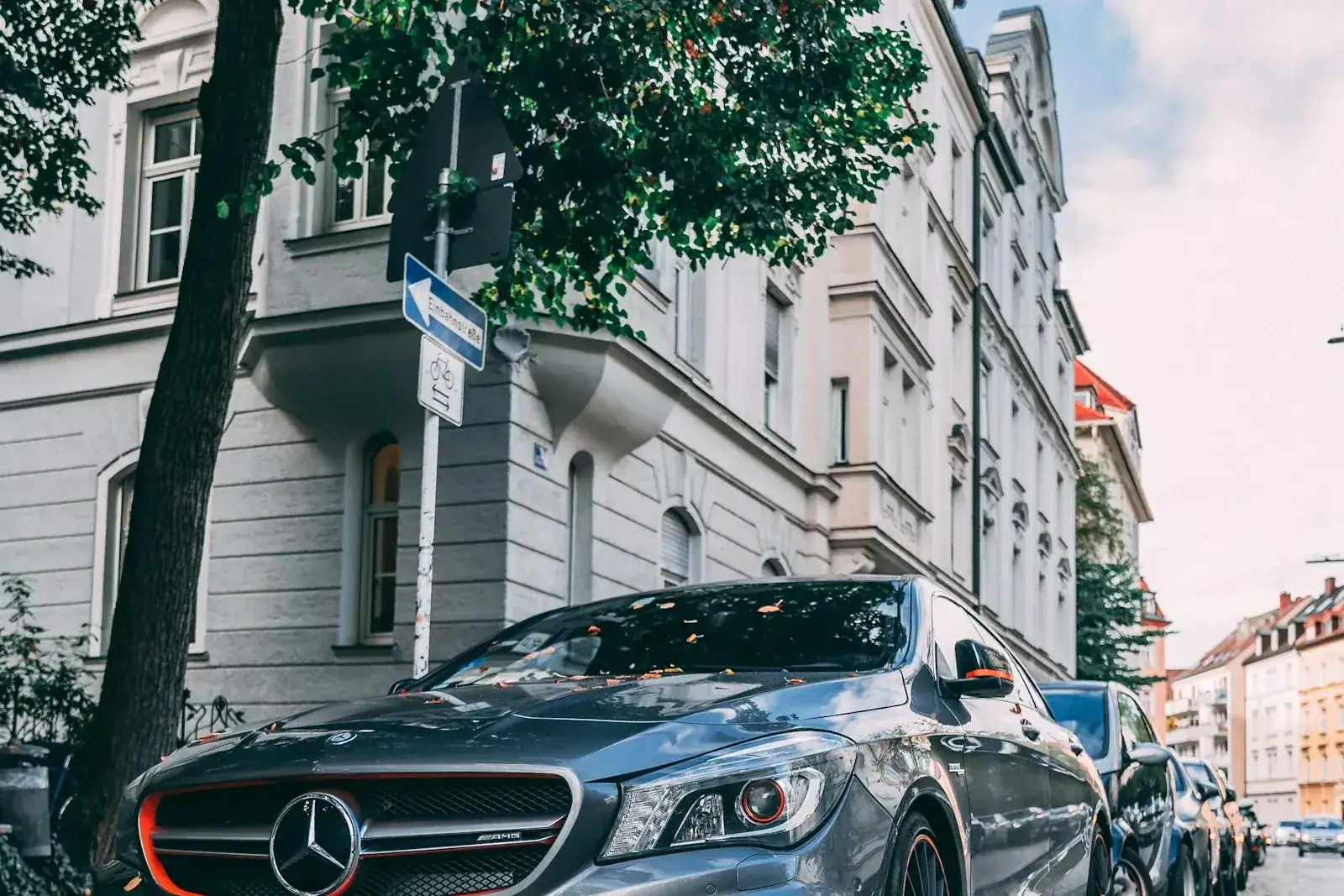
What it means for Christmas shopping in 2026
The timing is deliberate: the closure is meant to be in place before the lights go on and to run through the whole festive trading period, which for the West End means roughly November to the January sales. Expect a busier, more pleasant street, longer walks from any car, and buses stopping 100 to 200 metres away on Wigmore Street and Henrietta Place. Routes 7, 94, 98, 139, 390 and the night buses N7, N98, N113, N137 and N207 are all diverted.
If you are coming in by car from Kent, Essex, Surrey or the airports, treat the trip like an event day. Book a fixed fare in advance so the price is settled before the Congestion Charge, the diversions or a 6pm downpour can change it. Give the side street as the pick-up address, for example “Stratford Place, W1C” for Bond Street or “Great Portland Street, W1W” for Oxford Circus, so the quote and the satnav agree. For a family or a group with bags, an V Class costs little more than two saloons and waits at one kerb. And if the shopping turns into the office Christmas party, our Christmas party taxis run at the same fixed price at 2am as at 2pm, with no surge.
Fixed-fare pages for the streets around the closure: Oxford Circus, Soho, Mayfair, Marylebone, Fitzrovia, Central London, West End hotels and Dartford to Oxford Street.
Sources: Transport for London, Oxford Street transport and highway changes and the Mayor of London Oxford Street Transformation programme (consultation, November 2025 to January 2026; works announcement, September 2026); Wheels for Wellbeing consultation response; Raconteur, “What do Oxford Street’s struggles tell us about the future of retail?”; HM Treasury Budget 2025 retail, hospitality and leisure factsheet and the 2026-27 multipliers; Wayve and Uber autonomous rides announcement, 3 September 2026. Figures correct at 8 September 2026; the scheme is a live test and details may change.
Oxford Street pedestrianisation: access, shops, robotaxis and Christmas 2026: questions
When does Oxford Street become pedestrianised?
The section between Orchard Street and Great Portland Street, including Oxford Circus, is due to go traffic-free in the second half of October 2026, after preparatory works that began on 2 September. It runs as a live test through spring 2027 before a permanent redesign.
Can a wheelchair-accessible taxi still drop me on Oxford Street?
Not inside the closed section. Black cabs and private hire vehicles are excluded along with all other traffic. Drop-off moves to the nearest open street such as Orchard Street, Stratford Place, Holles Street, Cavendish Square or Great Portland Street, and TfL says Blue Badge bays will be kept at current levels.
Are there driverless taxis in London now?
Yes. Uber and Wayve began carrying paying passengers on 3 September 2026 with around 15 electric cars, London-wide except the airports, each with a licensed safety driver on board. Waymo is preparing a separate launch. None of them can enter the pedestrianised zone or offers a wheelchair-accessible vehicle yet.
What is the cheapest way to get to Oxford Street for Christmas shopping by car?
Book a fixed fare in advance and give a side street as the address, for example Stratford Place W1C or Great Portland Street W1W. A Rushxo fare is agreed before you travel and includes the Congestion Charge, with no surge at any hour; an V Class for a family or group usually costs little more than two saloons.