London had a record 43 million international visits in 2025 and expects more in 2026. This is the master visitor guide — entry rules, airports, money, phones, transport, where to stay, what to see, what to eat, budgets, deals, winter 2026/27, luggage, safety and the pain points — written for the questions people actually type into Google, Reddit, TikTok and Xiaohongshu before they come. Pick your country below for the version written around your passport, your bank cards, your phone plan and your food.
Key takeaways
- Entry: visa-free nationals (US, Canada, Australia, EU and GCC among others) need a £20 ETA before boarding; EU visitors must carry a passport, not an ID card; Irish citizens need neither; Indian and Chinese passports need a £135 visitor visa.
- Money: contactless card or phone for everything, including the Tube; pay in pounds; service charge on the bill is the tip; no VAT refunds.
- Transport: Zones 1–2 daily cap £8.90, bus £1.75; Elizabeth line from Heathrow £15.50; no public transport at all on Christmas Day.
- Phones: a UK eSIM or SIM beats roaming for any trip over a few days.
- Winter 2026: lights from 4 November, Winter Wonderland 19 November – 3 January, New Year's Eve fireworks ticketed only.
00 / YOUR COUNTRYPick the guide written for your passport
- London for American visitors — Americans are London's most valuable visitor market and the one with the most 'wait, really?' moments. This is everything a first-time US visitor searches for, in one place.
- London for Canadian visitors — Canadians arrive expecting a bigger Toronto with better pubs. Mostly true. Here's what the forums ask about every week.
- London for Australian visitors — Twenty-two hours in the air, then a city that feels familiar until you order a coffee. The practical guide for Australians, updated for 2026.
- London for Irish visitors — London is Ireland's most-visited city, and the most-asked question is still 'do I need an ETA?'. You don't. Here's the rest.
- London for French visitors — Two hours sixteen on the Eurostar and a different set of rules on arrival. The questions French visitors ask most, answered for 2026.
- London for German visitors — Germany sends more visitors to London every year, and the same three things trip them up: the passport, the cards and the cash. Sorted below.
- London for Spanish visitors — Spanish visitors get caught by three things: the passport rule, the roaming bill and the 7pm dinner. Everything else is easy.
- London for Italian visitors — Italians are among London's most frequent visitors — and in 2026 the roaming change caught thousands out. Here is the current picture.
- London for Dutch visitors — Four hours on the Eurostar from Amsterdam and almost everything works the same — except the bike, the bank card and the border.
- London for Indian visitors — Over 650,000 Indian visitors came in 2025 and the numbers keep climbing. The visa, the food, the money and the phone are where the planning time goes.
- London for Chinese visitors — London is open-internet, cashless and expensive, and the thing most RED posts get wrong is payment. The 2026 facts, from visa to Bicester Village.
- London for Gulf visitors — Gulf visitors stay longest, spend most and travel as families. The planning questions are halal, prayer, space in the car and the summer season — answered here.
00b / MORE COUNTRIESThirteen more nationality guides
- London for Polish visitors — The largest foreign-born community in Britain means Polish London is everywhere — but the border, the bank card and the phone still catch people out.
- London for Brazilian visitors — Brazilians do not need a visa for the UK — only the £20 ETA — and the planning questions are about money, not paperwork.
- London for Japanese visitors — London works almost exactly like tapping Suica — except nobody uses cash, JCB barely works and the service charge is already on the bill.
- London for Korean visitors — Google Maps finally works properly, your Korean maps don't, and the Tube takes your phone instead of T-money. The rest is below.
- London for Saudi visitors — Saudi families are London's longest-staying summer visitors. The planning is about paperwork for ten people, halal, prayer, space in the car and a flat with a kitchen.
- London for Nigerian visitors — The visa is the hard part. Once it's stamped, London has a Lagos of its own in Peckham — and the money questions are the ones to plan.
- London for Pakistani visitors — PIA is flying to Heathrow again, the visa is still the hurdle, and halal London is easier than almost any city in Europe.
- London for Turkish visitors — A four-hour flight, a visa that needs planning, and a Turkish London in Harringay and Dalston that makes the lira shock easier to bear.
- London for Swiss visitors — The franc makes London feel reasonable for once — as long as you bring a passport, not the ID card, and don't expect Twint to work.
- London for Belgian visitors — Two hours from Brussels-Midi and the only things that don't travel are the eID, Bancontact and Belgian beer prices.
- London for Swedish visitors — London is as cashless as Stockholm and, for once, the beer is no dearer. Bring a passport, forget Swish, and book Lucia early.
- London for Norwegian visitors — London is cheaper than Oslo, the Christmas tree in Trafalgar Square is yours, and the only thing that won't work is Vipps.
- London for Danish visitors — Hygge meets the pub. Bring a passport, a Visa/Mastercard rather than a bare Dankort, and check your roaming before you land — especially on YouSee.
00c / BY TRAVELLERGuides by traveller type
- London with Children — Under-11s travel free, the best museums cost nothing, and the two things that go wrong are the car seat and the 6am arrival with three suitcases.
- London for International Students — The first week decides how much the year costs. Sort the eVisa, the Oyster, the Railcard and the bank in that order — and don't take three suitcases on the Tube.
- London for Business Travellers — Time, receipts and reliability. Here is the London that gets you from the gate to the meeting and back with the paperwork intact.
- London for Over-60s and Accessible Travel — London is more accessible than its reputation — if you plan around the Elizabeth line, the DLR and a wheelchair cab, and know which discounts visitors actually get.
- London for Solo Female Travellers — London is a good solo city: busy, well-lit, late-running and used to women travelling alone. The risks are specific and avoidable — here they are.
- LGBTQ+ London Guide — Three scenes in one city — Soho for bars, Vauxhall for clubs, Dalston for everything else — plus the UK's first LGBTQ+ museum and a Pride that fills Trafalgar Square.
- Halal, Kosher and Vegan London — Few cities feed every faith and diet as well as London. The trick is knowing the streets — and, for halal and kosher, knowing which certification you're looking at.
- Luxury London Guide — Six three-star restaurants, three hotels in the world's top fifty, and a shopping district that will ship your purchases home VAT-free. The 2026 edition.
- London on a Budget: Backpackers' Guide — London can be done on £60 a day without missing anything that matters. The free list is the best in the world; the rest is knowing the caps, the cheap airports and where the £3 bakery bag is.
00d / BY SEASON AND EVENTSeasonal and event guides
- London in Spring 2027 — Shoulder-season prices, lengthening days, and a 2027 calendar with two unusual entries: a two-day Marathon and an early Easter.
- London in Summer 2027 — The longest days, the biggest calendar and the highest prices. Plan the ten weeks from Trooping the Colour to Carnival around the dates below — and ask every hotel about air-conditioning.
- London in Autumn 2026 — Golden parks, the art fairs, the fireworks and the switch-ons — and the day the clocks go back and the city goes dark at four. The full 2026 calendar.
- New Year's Eve in London 2026 — The fireworks are ticketed, the Tube is free, and the best free view is a hill three miles away. Everything for 31 December 2026 and 1 January 2027.
- Chinese New Year in London 2027 — Europe's biggest Lunar New Year celebration — hundreds of thousands in Trafalgar Square and Chinatown — expected on the weekend of 13–14 February 2027.
- Ramadan and Eid in London 2027 — Short winter fasts, the first Ramadan lights in Western Europe, free iftars in the National Gallery and Trafalgar Square, and Eid in Whitechapel. The 2027 dates and the places.
- Wimbledon 2027 Visitor Guide — Two weeks, four ways in — ballot, Queue, resale, hospitality — and a village of pubs at the top of the hill. The full 2027 guide.
- Premier League Matchday Guide 2026/27 — Ten league clubs inside the M25, and tickets that are easier to get than the internet says — if you use the clubs' own routes. Season dates, prices, stations and pubs.
- Notting Hill Carnival 2027 — Two million people, 3.5 miles of road, 300 food stalls and 7,000 police over the August bank holiday weekend. Here is how the weekend runs and how to do it well.
01 / ENTRYEntry rules for everyone in 2026
- ETA (£20, valid two years): required for all visa-free nationalities — USA, Canada, Australia, New Zealand, Japan, South Korea, Singapore, every EU/EEA country, Switzerland and the GCC states (UAE, Saudi Arabia, Qatar, Kuwait, Bahrain, Oman). Fully enforced since 25 February 2026; airlines refuse boarding without one. Apply only via the official UK ETA app or gov.uk — lookalike sites charge £60–100. Children and infants need their own.
- Exempt: British and Irish citizens, and anyone legally resident in Ireland travelling from Ireland.
- Passport only: EU national ID cards have not been valid for visitors since October 2021.
- eGates (age 8+): EU/EEA/Swiss, US, Canadian, Australian, NZ, Japanese, Singaporean and South Korean passports. GCC, Indian, Chinese and most other passports use staffed desks.
- Standard Visitor visa (£135 for six months from April 2026): India, China, Pakistan, Nigeria, Turkey, South Africa and most of Africa, Asia and Latin America outside the visa-free list. Three-week target; apply two months out.
02 / ARRIVALAirports and getting into town
London has six airports. Where you land decides your first hour and your first £5–30.
- Heathrow (LHR): Elizabeth line to Paddington/central London about 30–35 minutes, £15.50 (2026, charged at the peak rate for Zone 1 journeys); Piccadilly line about 50 minutes for roughly £5.90 to Zone 1 — the cheapest option; Heathrow Express to Paddington in 15 minutes, £26 walk-up or from £10 booked 30+ days ahead. Black cab £75–110 metered.
- Gatwick (LGW): Thameslink or Southern to London Bridge/Victoria in 30–40 minutes, £10.70 off-peak / £19.20 peak with contactless; Gatwick Express £24.
- Stansted (STN): Stansted Express to Liverpool Street in 48 minutes, from £9.90 advance; coaches are cheaper but slower.
- Luton (LTN): Luton DART (£4.90) to Luton Airport Parkway, then Thameslink to St Pancras in 25–40 minutes.
- London City (LCY): DLR into the city in 20 minutes; ideal for business trips and Irish/European short-haul.
- Southend (SEN): train to Liverpool Street in about an hour.
For families, groups of four or more, or anyone landing at 6am with jet lag and luggage, a pre-booked fixed-fare transfer is usually cheaper per head than two black cabs and immune to the app surge that follows every long-haul arrival wave. Rushxo quotes one price per vehicle — car, 7-seat MPV or V Class minibus — agreed before you land, with flight tracking and no charge for delays.
03 / MONEYCards, cash, exchange and tipping
London is one of the most cashless big cities in the world. Buses have not taken cash since 2014, Tube ticket offices are gone, and a growing share of cafés and bars are card-only. One contactless Visa or Mastercard — or your phone — does everything, including transport.
Money rules that save you 5–10%
- Always pay in pounds. When a terminal or ATM offers your home currency, decline — 'dynamic currency conversion' costs 3–7%.
- Use bank ATMs (Barclays, HSBC, Lloyds, NatWest), not the standalone Euronet or Cashzone machines, and not the airport.
- Skip the bureau de change at the airport. If you must change cash, Post Office and M&S bureaux in town are fairer. You will need very little.
- Contactless limit: most banks still cap taps at £100 and then ask for a PIN; phone wallets have no limit.
- Scottish and Northern Irish notes are legal currency but shops in London may refuse them. Ask for Bank of England notes.
- Tipping: restaurants add a 12.5% (sometimes 15%) 'discretionary' service charge — that is the tip and it legally goes to staff. No service charge? 10–12.5%. Pubs: none. Taxis: round up. Hotel porters £1–2 a bag.
- VAT refunds for tourists do not exist (abolished 2021; still only an opposition pledge in autumn 2026). Department stores can ship goods abroad VAT-free.
- Free tap water is a legal right in any venue that serves alcohol — just ask.
Whatever your home bank, the pattern is the same: a Visa or Mastercard with no foreign-transaction fee, or a Wise/Revolut card loaded with pounds, used contactlessly for everything. Your nationality page covers the specific cards, apps and quirks (Interac, girocard, Bizum, UPI, Alipay) that do or don't work here.
04 / PHONEeSIM, SIM cards, roaming and Wi-Fi
Three options: roam on your home plan, buy a travel eSIM before you fly, or buy a UK SIM on arrival. For anything beyond a long weekend, the last two win on price.
- Travel eSIMs (install before you fly, works on landing): Airalo UK 5GB/30 days about $13, 10GB $19, 20GB $31; Saily 5GB/30 days $12.99; Ubigi and Nomad similar; Holafly sells unlimited by the day. Your phone must be carrier-unlocked and eSIM-capable (iPhone XS and later, Pixel 3 and later, Samsung S20 and later).
- UK SIMs: giffgaff (O2 network) from £6 for 1GB to £10 for 15GB, £15 for 30GB, £20 for 80GB; Lebara, Three, EE and Vodafone PAYG from £10. Sold at Heathrow SIM kiosks, Stansted vending machines, WHSmith, Tesco, Sainsbury's, Argos and every phone shop. Vodafone and Three merged in 2025 — coverage is now shared.
- Underground coverage: the Elizabeth line has full 4G/5G; roughly 60% of Tube stations and tunnels had mobile coverage by mid-2026, with the whole network due by the end of 2026. Download Citymapper or the TfL Go app and offline maps anyway.
- Free Wi-Fi: most Tube stations, all big museums, cafés and hotels.
- Calls home: WhatsApp, FaceTime and Telegram are unrestricted in the UK and free over Wi-Fi.
Your nationality page lists exactly which home plans include the UK (most EU operators do, with caps; Italian and some Spanish operators no longer do; North American and Gulf carriers sell day passes) and what the cheapest local option is.
05 / TRANSPORTGetting around: Tube, bus, bikes and taxis
Tap in and out with the same contactless card or phone on every Tube, bus, Overground, DLR and Elizabeth line journey and the system charges you the cheapest fare, capped per day and per week. Do not buy paper tickets, Day Travelcards or a Visitor Oyster card — all cost more.
- 2026 fares: Zone 1 Tube single £3.10 peak / £3.00 off-peak; Zones 1–2 £3.60 / £3.10. Daily cap Zones 1–2 £8.90, Zones 1–4 £12.80, Zones 1–6 £16.30. Weekly cap (Monday–Sunday, same card) Zones 1–2 £44.70.
- Bus: £1.75 flat (due to rise to £1.85 from 1 November 2026), unlimited changes within an hour on the same card ('Hopper'), daily cap £5.25. Routes 11, 15 and 24 pass most of the sights for the price of a bus fare — the hop-on hop-off alternative.
- Hours: Tube roughly 05:30–00:30; Night Tube on Friday and Saturday nights on the Victoria, Jubilee, Central, Northern and Piccadilly lines; night buses everywhere. The Elizabeth line runs late but not all night.
- Walking: central London is smaller than the Tube map suggests. Leicester Square to Covent Garden is four minutes on foot; Westminster to Tower Bridge along the river is an hour. Expect 15,000–20,000 steps a day.
- Bikes: Santander Cycles £1.65 per 30-minute ride (e-bike £3.30) or £3 day pass; Lime and Forest e-bikes about £1 to unlock plus 29–31p per minute. Traffic drives on the left.
- Taxis: black cabs can be hailed and are metered (expensive but reliable, all wheelchair-accessible). Minicabs must be pre-booked through a licensed operator — never take a car from a tout outside a club or station. Uber, Bolt and FreeNow operate; app prices surge in rain, at closing time and after big events.
- Strikes: none scheduled as of mid-October 2026, but check tfl.gov.uk/strikes the week you travel.
Where apps surge, fixed fares don't. Rushxo is a TfL-licensed operator quoting one flat price per journey — airport runs, evenings out, day trips to Windsor or Bath, and 7–V Class vehicles for groups — agreed before you travel.
06 / STAYWhere to stay and what it costs
London hotel rates average around £190 a night across the year and peak in July and December. January and February are the cheapest months; weekday stays beat weekends in the centre. There is no tourist tax yet (a visitor levy is proposed but not law).
- Hostel dorm £20–50; capsule/pod (Zedwell, YOTEL) £30–95; Travelodge / hub by Premier Inn from £85–95; Premier Inn central £130–160; mid-range £150–250; luxury £300–500+.
- Best first-timer areas: South Bank/Waterloo, Covent Garden/Bloomsbury, Westminster/Victoria, King's Cross, Paddington/Bayswater (Heathrow link), Kensington/Earl's Court (value), Shoreditch (nightlife).
- Cheaper tricks: stay on the Elizabeth line outside Zone 1 (Canary Wharf, Stratford, Ealing) — 15 minutes to the centre for 30–40% less; book refundable and rebook if prices drop.
- Airbnb entire-home lets are capped at 90 nights a year; rooms in homes are common and cheaper.
- Rooms are small by North American and Gulf standards and air-conditioning is not standard — check the listing.
07 / SEE & DOWhat to see — and what to skip
The big national museums are free, which is the single biggest reason London can be done on a budget. Book the paid icons online at least a day ahead for discounts and to skip the queue.
Free: the backbone of any itinerary
- British Museum, National Gallery, National Portrait Gallery, Tate Modern, Tate Britain, V&A, Natural History Museum, Science Museum, Imperial War Museum, Wallace Collection, Sir John Soane's Museum, British Library treasures.
- Sky Garden (book free tickets weeks ahead), The Garden at 120 and Horizon 22 for free skyline views — better than paying for the Eye or the Shard.
- Changing of the Guard at Buckingham Palace (usually 10:45 on Monday, Wednesday, Friday, Sunday — check the Household Division calendar) or the less crowded King's Life Guard at Horse Guards at 11:00 daily.
- Westminster Abbey and St Paul's during evensong (free, no sightseeing).
- Hyde Park, St James's Park, Regent's Park, Primrose Hill, Hampstead Heath, Richmond Park, Greenwich Park.
- Markets: Borough (closed Sunday), Camden, Old Spitalfields, Columbia Road flowers (Sunday), Portobello (Saturday), Brick Lane (Sunday), Maltby Street and the Bermondsey Beer Mile.
- The South Bank walk from Westminster to Tower Bridge; Shoreditch street art; the Thames Path east through Wapping.
Paid and worth it (2026 adult prices, from)
- Tower of London £38 (book ahead; Ceremony of the Keys at night is free but books out months ahead); Westminster Abbey £32; St Paul's £26; Churchill War Rooms £34; Buckingham Palace State Rooms £30 (summer only); Shakespeare's Globe standing tickets £5; Kew Gardens; Hampton Court; the Warner Bros Harry Potter Studio Tour from £125 including transport — sells out months ahead.
- West End theatre: TodayTix Rush tickets from £25–30 released at 10:00 daily; show lotteries from £10; TKTS booth on Leicester Square for same-day discounts; National Theatre day seats.
- The London Pass / Go City (£99 one day to £169 three days) only pays off if you do three or four paid attractions a day. Royal Palaces membership (£65) pays off at two palaces. Art Fund's National Art Pass (£87) halves exhibition prices.
- National Rail's 2FOR1 offers work with a paper or e-ticket rail ticket into London (not contactless) and cover the Tower, the Eye, the Zoo and more.
Tourist traps most guides agree on
- London Eye and Shard viewing decks (free rooftops exist); Madame Tussauds; chain restaurants on Leicester Square and Piccadilly Circus (eat in Soho, Chinatown or at markets instead); hop-on hop-off buses (take the number 11 or 15); black cab from Heathrow (Elizabeth line); paper tickets and Visitor Oyster; the Abbey Road and Big Ben phone-box photo queues; rickshaws; restaurants within sight of a major attraction (add 20%).
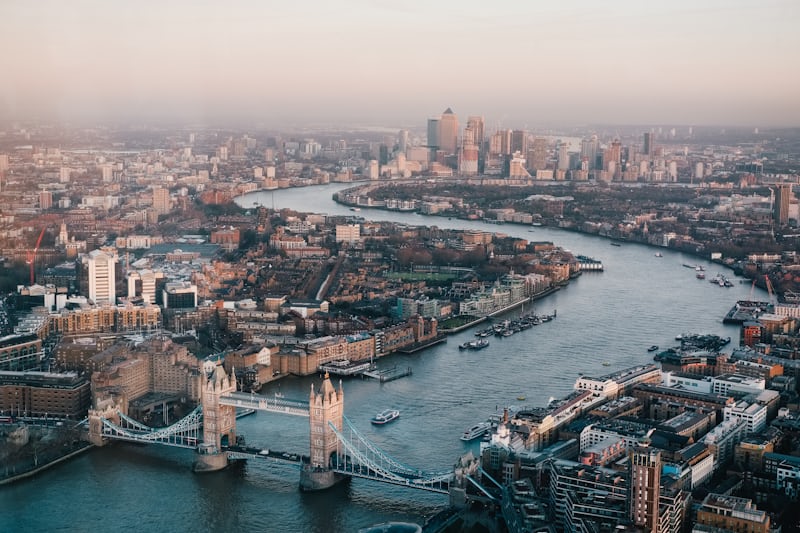
- London Bridge is the plain one. Tower Bridge is the one in the photos. Big Ben is the bell, not the tower.
A three-day shape that works: Day one, Westminster — Changing of the Guard, the Abbey, Parliament from Westminster Bridge, Whitehall, Trafalgar Square and the National Gallery, St James's Park, then Covent Garden and Soho in the evening. Day two, the City and South Bank — Sky Garden at opening, the Tower, Tower Bridge, the river walk to Borough Market for lunch, the Globe or Tate Modern, Millennium Bridge to St Paul's, then Shoreditch or Camden. Day three, the West — Portobello Road (Saturday), Notting Hill, Hyde Park, Kensington Palace, the South Kensington museums and a West End show. Two or three big sights a day, one area per day, and comfortable shoes.
Day trips: Windsor (40–60 minutes), Oxford and Cambridge (about an hour), Bath (1h20), Brighton (an hour), Canterbury and the White Cliffs, Stonehenge by coach, the Cotswolds by car or tour, Margate (1h30). Trains are cheapest booked in advance on a split-ticket app; for groups of four or more, a fixed-fare car for the day often beats four walk-up rail fares and removes the connection hassle.
08 / EATWhere to eat, and your own food in London
Benchmarks for 2026: a pint £6.50–8 in the centre (£10 exists), a flat white £3.80–4.50, a supermarket meal deal £3.50–5, a pub main £15–20, a sit-down dinner main £15–35, a cocktail £12–15, mid-range dinner for two with wine £90–140. Service charge of 12.5–15% is added at most restaurants.
- Markets for lunch: Borough (closed Sunday), Camden and KERB, Seven Dials Market in Covent Garden, Mercato Mayfair in a converted church, Old Spitalfields, Brick Lane on Sunday (and Beigel Bake at any hour), Maltby Street on weekends.
- British classics: Poppies or The Golden Chippy for fish and chips; a Sunday roast at almost any good pub; Regency Café or E Pellicci for a proper fry-up; afternoon tea at the Ritz or Claridge's (£70+) or St Ermin's and Fortnum's for less.
- Value fine dining: Michelin-starred set lunches from £32 at Amaya, £42 at Luca, £45 at Elystan Street, Wild Honey, Veeraswamy and The Ninth — a fraction of dinner prices.
- Pubs with history: Ye Olde Cheshire Cheese, Ye Olde Mitre, the Lamb Tavern in Leadenhall Market, the French House in Soho, the Churchill Arms in Kensington, the Spaniards Inn on Hampstead Heath. Order at the bar; no tipping.
- Apps that cut the bill: Too Good To Go bags £3–5 from bakeries and supermarkets at closing time; Tastecard for 50% off or 2-for-1 at thousands of restaurants (free trial); TodayTix for theatre; Olio for free surplus food.
international food and community in London
Every community in the world eats somewhere in London, and your nationality page names the streets and the restaurants: Southall and Wembley, Edgware Road, Chinatown and Bayswater, Clerkenwell's Little Italy, South Kensington's French quarter, Richmond's German pubs, the Irish in Camden and Kilburn, the Australians in Clapham.
09 / BUDGETWhat a day in London actually costs
- Backpacker, £60–75 a day: hostel dorm, meal deals and market lunches, free museums, bus cap £5.25, one pint.
- Comfortable, £150–180 a day: budget-chain hotel, one sit-down meal, Tube cap £8.90, one paid attraction, a cheap theatre ticket.
- Upscale, £300+ a day: four-star hotel, restaurants, taxis and a West End show.
- Family of four: £400–500 a day in a mid-range hotel; children under 11 travel free on TfL with an adult, under-16s free on buses.
- Couple, one week, mid-range: roughly £2,000–2,800 in London excluding flights.
Ten money-saving moves
- Tap contactless and let the daily and weekly caps work; never buy singles or Travelcards.
- Visit January to Easter, midweek, for the lowest hotel rates.
- Free museums as the backbone; book free timed tickets.
- One sit-down meal a day; market lunches; set lunches instead of dinners at good restaurants.
- Book attractions online a day or more ahead for 10–20% off.
- Bus over Tube for short hops; walk between neighbouring areas.
- Theatre via Rush tickets, lotteries, TKTS and day seats.
- Ask for tap water; don't double-tip when service is already on the bill.
- Stay a few stops out on the Elizabeth line.
- For groups, one fixed-fare car instead of three surge-priced app rides or four walk-up train tickets.
10 / DEALSWhere Londoners find deals and what's on
The accounts and apps locals actually use: Time Out London and Secret London (Instagram, TikTok and web) for openings and free events; Londonist and IanVisits for the best free and cheap daily calendar; DesignMyNight and Fever for bar and event deals; Eventbrite filtered to 'free'; Dice and Skiddle for gigs; TodayTix and TKTS for theatre; Too Good To Go, Olio and Tastecard for food; r/london and r/LondonTravel on Reddit for honest answers; Citymapper and TfL Go for getting around.
What international visitors use
Beyond the London accounts above, each nationality page lists the home-language forums, Facebook groups, RED/Xiaohongshu tags, Snapchat and YouTube channels where visitors from that country swap London tips.
11 / WINTERWinter 2026/27: dates, prices and what to pack
London in winter is dark by 16:00, 4–10°C, and rains about one day in four — and it is also the best-decorated, best-value and least crowded time to visit, outside the week before Christmas. Everything below is confirmed for 2026 unless marked.
- Lights switch-ons: Carnaby 4 November; Regent Street and St James's 5 November (free street event 17:00–21:00); Knightsbridge 10 November; Marylebone and Old Spitalfields 11 November; Covent Garden 12 November; Leadenhall 19 November; Oxford Street early November.
- Southbank Centre Winter Market: 2 November 2026 – 4 January 2027, daily 11:00–22:00, free entry.
- Skate at Somerset House: 11 November – 10 January, adults £15–28.50, children £11.
- Christmas at Kew: 13 November – 3 January, from about £25 adult, £20 child, under-4s free.
- Hyde Park Winter Wonderland: 19 November 2026 – 3 January 2027 (closed 25 December), 10:00–22:00. Entry is free off-peak (Monday–Thursday in November, must be booked), £5.50 standard, £8.25 peak, or free with £25 of pre-booked rides. Rides and bars are where the money goes.
- Trafalgar Square tree: lit in the first week of December (Norway's annual gift); free carols most evenings until Christmas.
- Christmas Day (Friday 25 December): no public transport at all — no Tube, bus, train or Elizabeth line. Pre-book any car journey weeks ahead. Boxing Day runs a reduced service; sales start 26 December and most stores open with shorter hours. The substitute bank holiday is Monday 28 December.
- New Year's Eve fireworks: ticketed only via Ticketmaster (2025 prices were £40–55; 2026 on-sale date to be announced in October). Westminster Bridge and the riverside are closed without a ticket; Primrose Hill, Greenwich and Alexandra Palace are the free vantage points. Tube is free from 23:45 to 04:30 on the night.
- New Year's Day Parade (1 January, free along Piccadilly, Regent Street, Trafalgar Square and Whitehall); Canary Wharf Winter Lights free in late January; Burns Night 25 January; Chinese New Year 6 February 2027 with the Trafalgar Square and Chinatown celebrations the following weekend; Pancake Day 9 February.
- Pack: a waterproof outer layer, a warm mid-layer, scarf, and waterproof walking shoes. Umbrellas lose to wind; hoods win. Indoors is well heated, so layers you can shed.
On the one day a year with no transport, and on the nights when the apps surge, a pre-booked flat fare is the difference between a good evening and a £90 ride home. Rushxo runs through Christmas Day and New Year's Eve at the price agreed when you book.
12 / LUGGAGELuggage storage, cloakrooms and the early-arrival problem
- Stations: Excess Baggage counters at Charing Cross, Euston, King's Cross, Liverpool Street, London Bridge, Paddington, Victoria and Waterloo (roughly 07:00–23:00) and at Heathrow, Gatwick and Stansted; expect about £7–12 per bag per 24 hours.
- Apps: Stasher (from £1.49 a day plus fee), Bounce (from £1.95), Radical Storage (from £1.90), LuggageHero (hourly or £4.90 a day), Nannybag — all use shops and hotels as drop points; real-world cost is about £5 a bag a day. Book online, show the QR code.
- Museums: British Museum cloakroom £4–6 per bag, coats £3, no wheeled cases of any size; National Gallery £3 per item, no wheeled luggage; Tate Modern paid lockers £4–8, nothing bigger than cabin size; V&A charges per item and takes wheeled bags. Plan to drop luggage before museums, not at them.
- Hotels hold bags free on check-in and check-out days — ask at reception.
- Airports: left luggage at Heathrow 05:00–23:00, Gatwick 04:00–22:00, Stansted 24 hours, Luton 04:00–22:00.
13 / SAFETYSafety, scams, health and emergencies
London is safe for visitors. The one crime you must plan around is phone snatching: around 72,000 phones were stolen in 2025 (falling in 2026 after a police crackdown, but still roughly 160 a day), typically by riders on e-bikes grabbing phones held near the kerb on Oxford Street, around Leicester Square, Westminster Bridge, Camden and Shoreditch.
- Keep the phone away from the road edge; step into a doorway to use maps. Turn on Find My / Stolen Device Protection, set a SIM PIN, and note your IMEI.
- Scams: charity collectors without a permit, fake theatre tickets around Leicester Square, 'can I borrow your phone' and group-photo grabs, cup-and-ball games on the bridges, unlicensed minicab touts outside clubs (illegal — only pre-booked minicabs and hailed black cabs are legal), 'helpers' at ticket machines, counterfeit goods on market edges.
- Emergency: 999 (or 112). Non-emergency police 101. Medical advice 111, 24 hours. Pharmacists at Boots handle minor ailments.
- NHS for visitors: A&E, urgent treatment centres and 111 are free at the point of use; admitted and outpatient hospital care is charged to most visitors at 150% of cost. EU/EEA/Swiss visitors with an EHIC/GHIC, and Australians and New Zealanders under reciprocal agreements, are covered for necessary care. Everyone should still have travel insurance.
- Night: night buses and the Night Tube are safe and busy. Pre-book your ride home for late finishes rather than relying on apps at closing time.
14 / QUESTIONSThe 30 questions every visitor asks
How many days do I need (three minimum, five with a day trip)? Best time to visit (May–June and September for weather, January–March for prices)? Oyster or contactless (contactless)? Is the London Pass worth it (only for three-plus paid sights a day)? Which museums are free (most big ones)? Do I book attractions ahead (yes, a day or more)? Is the Eye worth it (no — free rooftops)? Cheapest theatre tickets (Rush, lotteries, TKTS)? Do I need cash (almost never)? Is Amex accepted (mostly, not everywhere)? How much to tip (service charge is the tip)? Is London safe (yes; guard your phone)? Does the Tube run at night (Friday and Saturday on five lines)? Which plug (Type G)? Can I drink the tap water (yes)? Where for fish and chips, a Sunday roast and afternoon tea (above)? Which markets on which days (above)? London Bridge or Tower Bridge (Tower)? Can I go inside Buckingham Palace (summer only)? Can I climb Big Ben (UK residents only; Parliament tours for everyone)? Best free skyline view (Sky Garden, Horizon 22)? Best day trips (Windsor, Bath, Oxford, Cambridge, Brighton)? Harry Potter studio (book months ahead)? Which apps (Citymapper, TfL Go, TodayTix, Too Good To Go)? What about Christmas Day (nothing runs — book a car)? Your nationality page has the rest.
Frequently asked questions
Do I need an ETA or a visa to visit London in 2026?
Visa-free nationals (US, Canada, Australia, EU, GCC and others) need a £20 ETA. Irish and British citizens need nothing. Indian, Chinese and most other nationalities need a £135 Standard Visitor visa. Always use gov.uk.
What is the cheapest way to pay for transport in London?
Tap a contactless card or phone. Fares are capped at £8.90 a day and £44.70 a week in Zones 1–2. Never buy paper tickets.
Is there tax-free shopping for tourists in London?
No. VAT refunds ended in 2021 and have not returned. Department stores can ship goods abroad without UK VAT.
What happens on Christmas Day in London?
No public transport runs at all. Parks, churches and the river walks are open; most shops and attractions close. Pre-book any car journey.
How do I avoid surge pricing on taxis in London?
Pre-book a fixed-fare private hire car for airport runs, late finishes and big events. The price is agreed in advance and does not change with demand, weather or the date.
Fixed Price, No Surge
Airport transfers and London journeys at one agreed price
TfL-licensed private hire with flight tracking, meet-and-greet, child seats on request, 7-seat MPVs and V Class minibuses for families and groups. The price you see at booking is the price you pay — on Christmas Day, in the rain and at 3am.
Prices, fares, entry rules and event dates were checked in October 2026 and change frequently. Confirm visas and ETAs on gov.uk, fares on tfl.gov.uk and event details with organisers before you travel. Rushxo has no commercial relationship with any venue, app or provider named.